How to Evaluate NVMe SSD Hosting, AWS Cloud, and Alibaba for Your Business Website?
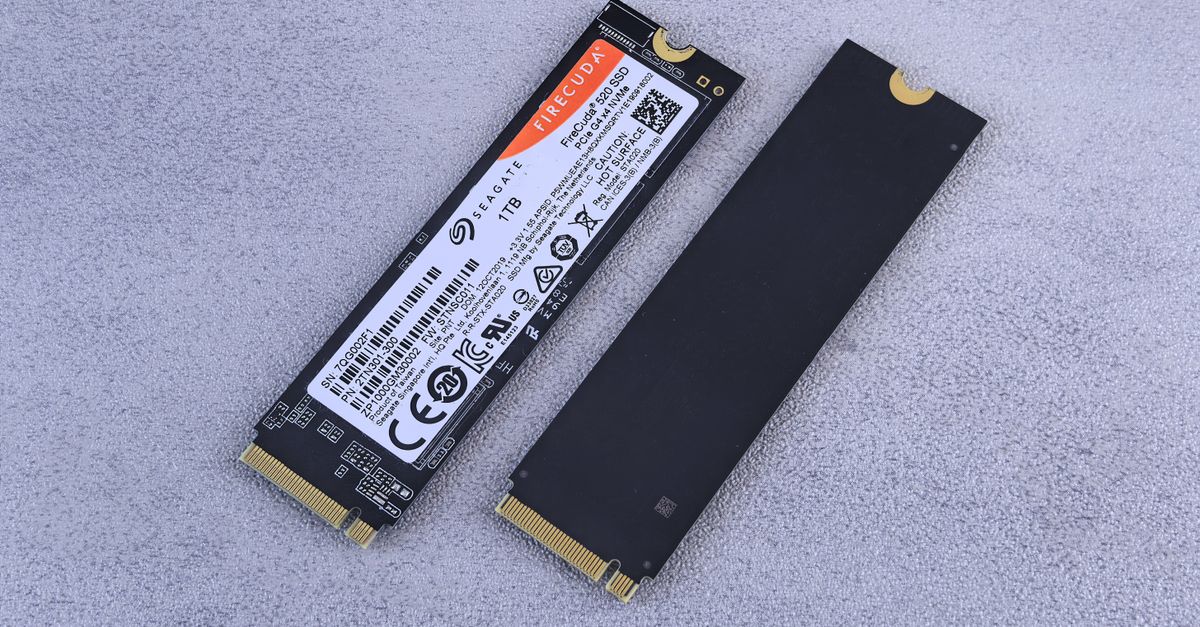
The decision of where to host a business website is no longer about just price. It’s about performance, security, scalability, and the ability to adapt as your traffic grows. In 2026, the main contenders are NVMe SSD hosting, AWS cloud hosting, and Alibaba Cloud hosting. Each offers distinct advantages for enterprise web security and VPS hosting needs.
1. Understanding the Core Hosting Options
NVMe SSD Hosting: Dedicated servers with non‑volatile memory express (NVMe) solid‑state drives deliver raw storage speed and low latency. They’re ideal when you need consistent, high throughput without the overhead of virtualization.
AWS Cloud Hosting: Amazon Web Services offers a broad portfolio—EC2 instances, Elastic Beanstalk, Lightsail—and integrated security services like Shield and WAF. You pay for what you use, and the platform scales automatically.
Alibaba Cloud Hosting: Alibaba’s Elastic Compute Service (ECS) provides comparable compute power with a focus on Asia‑Pacific markets. Their Anti‑DDoS Pro and Cloud Firewall are built to meet Chinese regulatory standards while remaining globally competitive.
Key Feature Comparison
Performance, Security, Cost, Scalability, Support
NVMe SSD: High performance, limited security features, fixed cost, no auto‑scaling, strong community support.
AWS Cloud: Moderate to high performance, enterprise‑grade security, variable pricing, auto‑scaling, 24/7 global support.
Alibaba Cloud: High performance in Asia, robust security for compliance, competitive pricing, regional scaling options, localized support.
The critical takeaway is that NVMe SSD hosting gives the fastest raw I/O, while AWS and Alibaba combine speed with built‑in security and scalability.2. Performance Considerations
NVMe SSDs use PCIe lanes to connect directly to the CPU, bypassing SATA bottlenecks. This translates into sub‑millisecond read/write latencies—crucial for database‑heavy applications or real‑time analytics.
AWS EC2 instances often rely on NVMe drives as well (e.g., i3 and c5n families). However, the virtualization layer adds a small overhead. In practice, you’ll see 10–20% slower I/O compared to bare‑metal NVMe servers.
Alibaba’s ECS offers similar NVMe options in their high‑performance instance types. They also provide SSDs backed by Intel Optane technology for ultra‑low latency workloads.
Latency and Throughput Benchmarks
Typical Numbers (2026)
- NVMe SSD Hosting: 5–8 µs read, 10–12 µs write; 500 GB/s sequential throughput.
- AWS EC2 i3.large: 7–9 µs read, 12–15 µs write; ~400 GB/s.
- Alibaba ECS G5 instance: 6–8 µs read, 11–13 µs write; ~450 GB/s.
When your application is I/O bound—think heavy logging or real‑time data pipelines—NVMe SSD hosting delivers the edge. For web servers with moderate traffic, AWS or Alibaba’s NVMe instances are more than sufficient and offer flexibility.
3. Pricing Models & Cost Efficiency
The cost structure differs significantly between dedicated NVMe hardware and cloud platforms. Understanding your budget requires looking beyond hourly rates to total ownership costs.
A. NVMe SSD Hosting Costs
- Initial Hardware: $1,200–$3,000 for a single server with 4–8 TB NVMe storage.
- Hosting Fees: $20–$70/month depending on bandwidth and data center location.
- Maintenance: $100–$250/year if you outsource support; otherwise, you manage it yourself.
B. AWS Cloud Hosting Costs
- On‑Demand Instances: $0.10–$1.50/hour for NVMe‑backed instances.
- Reserved Instances: 30%–40% discount for 1–3 year commitments.
- Managed Services: Additional costs for Shield Advanced ($3,000/month) or WAF ($0.60 per rule).
C. Alibaba Cloud Hosting Costs
- Pay‑as‑You‑Go: $0.08–$1.20/hour.
- Reserved Instances: Similar 30% discount structure.
- Security Add‑Ons: Anti‑DDoS Pro at $200/month; Cloud Firewall at $50/month.
For a small to medium business, AWS or Alibaba can be more cost‑effective initially because you avoid capital expenditure. Over the long term, if your traffic stabilizes and you own dedicated hardware, NVMe SSD hosting may lower operating expenses.
4. Enterprise Web Security Features
Security is non‑negotiable for any business site. All three platforms provide layered protection, but their approaches differ.
AWS Security Stack
- DDoS Protection: AWS Shield Standard (free) and Shield Advanced ($3,000/month).
- Web Application Firewall: AWS WAF with custom rules; integrated with CloudFront.
- Identity & Access Management: IAM roles, MFA, and key management via KMS.
Alibaba Security Stack
- DDoS Mitigation: Anti‑DDoS Pro (up to 5 Tbps) with automatic traffic routing.
- Web Application Firewall: Alibaba Cloud WAF, supports Chinese and English rule sets.
- Compliance: SOC 2, ISO 27001, and China’s Cybersecurity Law compliance options.
NVMe SSD Hosting Security
- DDoS Mitigation: Depends on the data center; many offer basic rate limiting or require third‑party services.
- WAF: You install and configure your own, e.g., ModSecurity with Nginx.
- Updates & Patching: Manual responsibility unless you opt for managed security services.
If your organization needs enterprise‑grade security out of the box—especially compliance with GDPR or HIPAA—cloud providers are preferable. For a lean startup, DIY security on NVMe servers can be cost‑effective if you have expertise.
5. Scalability and Availability
Scaling up or down quickly is essential when traffic spikes unpredictably. Dedicated NVMe servers scale only through adding physical hardware; cloud platforms offer near-instant elasticity.
AWS Auto‑Scaling
- Launch configuration with load balancers automatically adds instances based on CPU or request metrics.
- Spot Instances reduce cost but require fault tolerance.
Alibaba ECS Scaling
- Auto Scaling Groups similar to AWS, with region‑specific scaling policies.
- Supports serverless functions (Function Compute) for event-driven workloads.
NevMe SSD Dedicated Scaling
- Add a second server; load balancing via hardware or software (HAProxy).
- Requires manual provisioning and configuration.
For businesses expecting rapid growth, cloud auto‑scaling is the fastest path. If you need absolute control over hardware for latency reasons, plan a staged expansion with additional NVMe units.
6. Migration Path & Integration
Moving an existing site to a new host involves data transfer, configuration, and testing. The process varies by provider.
AWS Migration Strategy
- Use AWS Server Migration Service (SMS) for live replication.
- Deploy with Elastic Beanstalk or ECS Fargate for containerized workloads.
- Integrate with CloudFront CDN for global caching.
Alibaba Migration Strategy
- Alibaba Data Transfer Service supports bulk import from on‑premises or AWS.
- Deploy on ECS and attach to Alibaba CDN (CDN service).
NevMe SSD Dedicated Migration
- Copy databases via rsync or backup/restore scripts.
- Update DNS A records after cutover; monitor traffic with tools like Netdata.
In my experience, the biggest hurdle was ensuring zero downtime during the DNS switch, especially when the site had high customer impact. Automating the failover with a health check script saved hours of manual intervention.
7. Choosing the Right Provider for Your Use Case
Below is a quick decision matrix based on common business scenarios.
Use Case Matrix
- Small Startup, Low Budget: AWS Lightsail or Alibaba ECS Standard with basic security.
- Mid‑Size Company, Medium Traffic: AWS EC2 i3 or Alibaba G5 with Shield/WAF.
- Enterprise with High Latency Sensitivity: Dedicated NVMe SSD hosting plus managed DDoS protection.
- Asia‑Focused Market: Alibaba Cloud for regional compliance and lower latency to local customers.
The key is aligning your technical requirements—throughput, security, scalability—with the provider’s strengths. No one solution fits every scenario.
8. Common Mistakes to Avoid
- Underestimating Security Costs: Cloud providers charge separately for advanced DDoS and WAF; budget accordingly.
- Ignoring Data Transfer Fees: AWS data out can be expensive; use CDN or inter‑region transfers wisely.
- Overprovisioning NVMe Resources: Dedicated servers can lock you into a fixed cost; monitor usage closely.
- Neglecting Backup Strategy: Regardless of hosting type, implement automated snapshots and offsite backups.
In my experience, the most common pitfall was overlooking the hidden costs of security upgrades when scaling up traffic. A proactive review of your budget before adding new features saved us from surprise bills.
9. Summary and Next Steps
NVMe SSD hosting offers unmatched raw speed but requires hands‑on management for security and scaling. AWS cloud hosting provides a fully managed ecosystem with enterprise security, auto‑scaling, and global reach, albeit at a higher operational cost. Alibaba Cloud balances performance and compliance in the Asia‑Pacific region while keeping prices competitive.
Evaluate your current traffic patterns, growth projections, regulatory obligations, and budget constraints to decide which platform delivers the best total value for your business website.
What specific performance or security feature is most critical for your next hosting migration?